
Best Revision Hip Replacement Surgery in Surat, Gujarat
— Expert Complex Hip Revision by Dr. Krunal Donda
German fellowship-trained revision hip replacement specialist in Surat, Gujarat. Advanced surgical expertise in failed implants, infection management, bone grafting, and complex hip revision surgery at Shivaan Hospital, Surat, Gujarat, India.
What is Revision Hip Replacement Surgery in Surat, Gujarat?
Revision hip replacement surgery in Surat, Gujarat is a complex orthopedic procedure performed to replace or repair a previously implanted hip prosthesis that has failed, loosened, become infected, or is causing complications. At Shivaan Hospital Surat, Dr. Krunal Donda specializes in revision hip surgery in Surat for patients whose primary hip replacement has developed problems requiring expert intervention.
Unlike primary hip replacement in Surat, revision hip replacement in Surat, Gujarat often involves significant challenges including bone loss, scar tissue, and altered anatomy. As the best revision hip replacement surgeon in Surat, Gujarat, Dr. Krunal Donda brings German fellowship training and extensive experience in managing complex revision cases at Shivaan Hospital. Call +91 98790 99184.
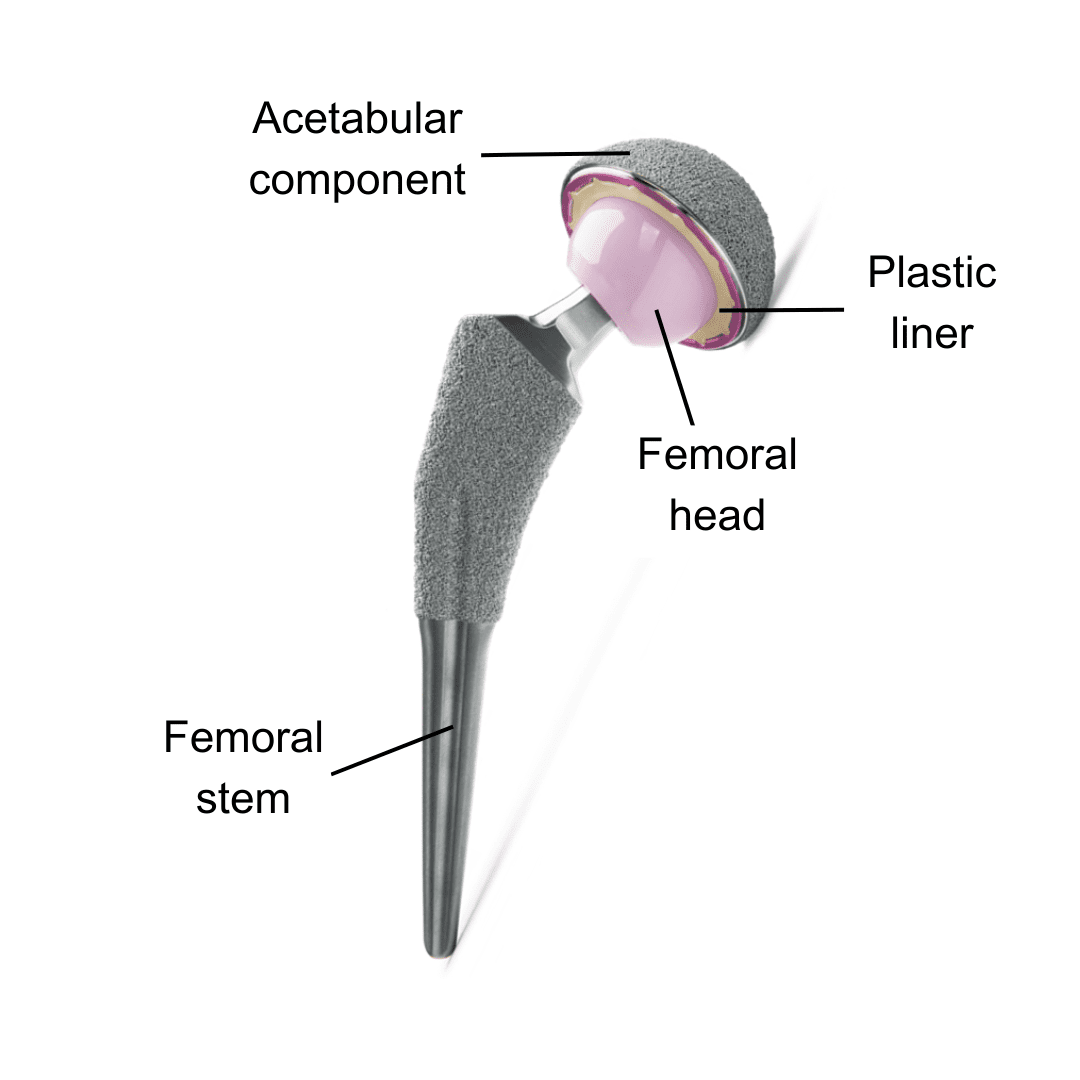
Understanding Hip Implant Components — Revision Surgery in Surat, Gujarat
In revision hip replacement surgery in Surat, Dr. Krunal Donda evaluates which components require replacement: the acetabular cup, femoral stem, femoral head, and polyethylene liner. Some revisions involve only one side; complex cases require complete revision with extensive bone reconstruction at Shivaan Hospital, Surat, Gujarat.
Why Do Hip Replacements Fail? — Revision Surgery in Surat, Gujarat
Hip replacements can fail for various reasons, each requiring different revision hip surgery approaches in Surat, Gujarat. At Shivaan Hospital Surat, Dr. Krunal Donda's expertise in diagnosing failure mechanisms is essential for planning appropriate revision hip replacement treatment in Surat.
Aseptic loosening is the most common cause requiring revision hip replacement in Surat. Other causes include prosthetic joint infection, instability with recurrent dislocation, implant wear with osteolysis, periprosthetic fracture, and component breakage — all conditions treated at Shivaan Hospital, Surat, Gujarat by Dr. Donda.
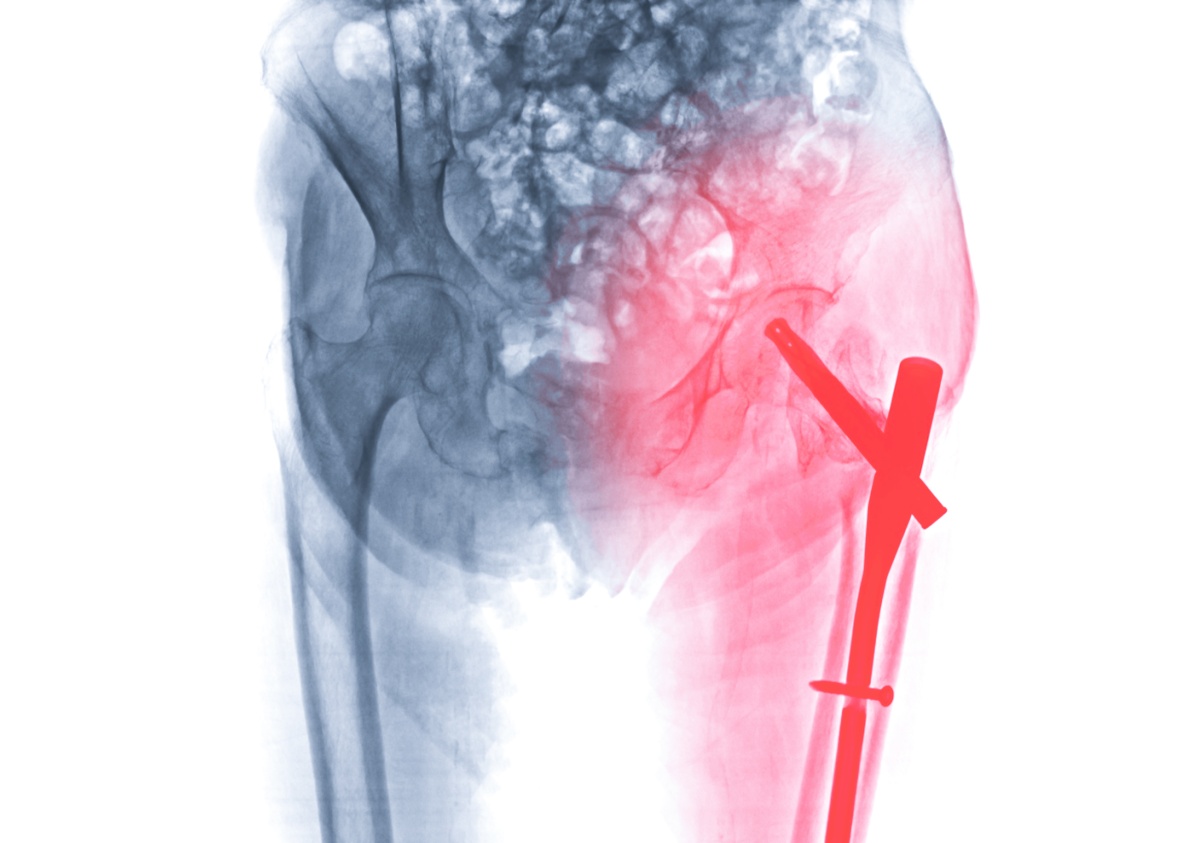
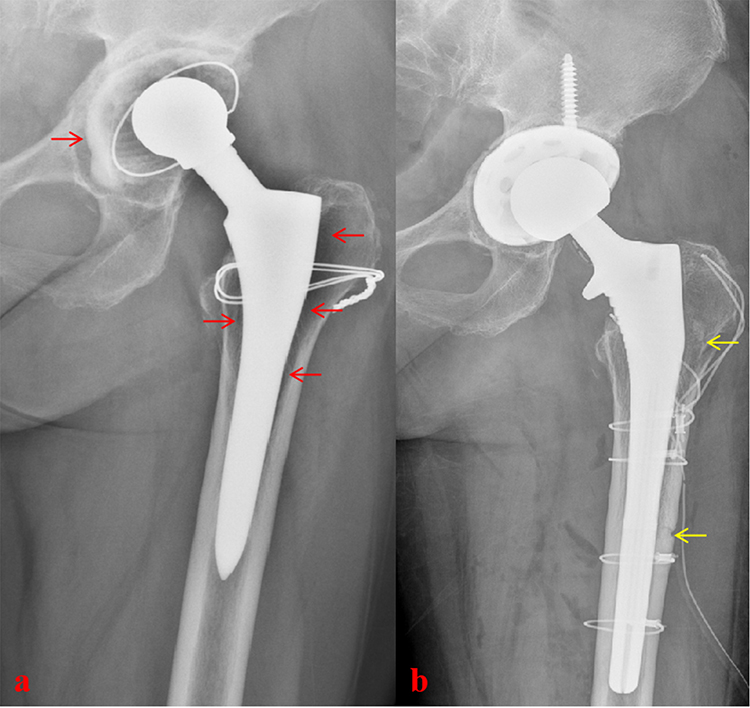
Common Reasons for Revision Hip Surgery in Surat, Gujarat
Several factors can necessitate revision hip replacement in Surat, Gujarat, each presenting unique challenges requiring Dr. Krunal Donda's specialized expertise at Shivaan Hospital.
- ✓Aseptic loosening in Surat:The most common reason for revision hip surgery in Surat — implant separation from bone requiring expert management at Shivaan Hospital.
- ✓Prosthetic joint infection in Surat:Bacterial contamination requiring specialized revision hip replacement surgery with implant removal and staged reconstruction in Surat.
- ✓Recurrent dislocation:Hip instability causing repeated dislocations requiring revision hip surgery in Surat, Gujarat to restore stability.
- ✓Implant wear and osteolysis:Polyethylene liner wear causing progressive bone destruction — timely revision hip replacement in Surat essential.
- ✓Periprosthetic fracture in Surat:Bone fracture around the hip implant requiring complex revision hip surgery at Shivaan Hospital, Surat.
Symptoms Indicating Need for Revision Hip Replacement in Surat, Gujarat
Recognizing signs of hip implant failure early and consulting a revision hip replacement specialist in Surat, Gujarat allows for timely intervention. Dr. Krunal Donda at Shivaan Hospital recommends immediate evaluation if you experience any significant change in hip function after initial recovery. Call +91 98790 99184.
- ✓Progressive hip pain in Surat:New or worsening groin, thigh, or buttock pain — often the first indicator requiring revision hip replacement evaluation in Surat.
- ✓Instability or giving way:Sensation of the hip slipping out requiring expert revision hip surgery at Shivaan Hospital, Surat.
- ✓Decreased mobility in Surat:Worsening stiffness or increasing difficulty walking despite previous good function.
- ✓Clicking or grinding:Abnormal sounds during hip movement indicating component wear or loosening — consult Dr. Donda in Surat.
- ✓Signs of infection in Surat:Persistent warmth, swelling, drainage, or fever requiring urgent revision hip surgery consultation at Shivaan Hospital, Surat.
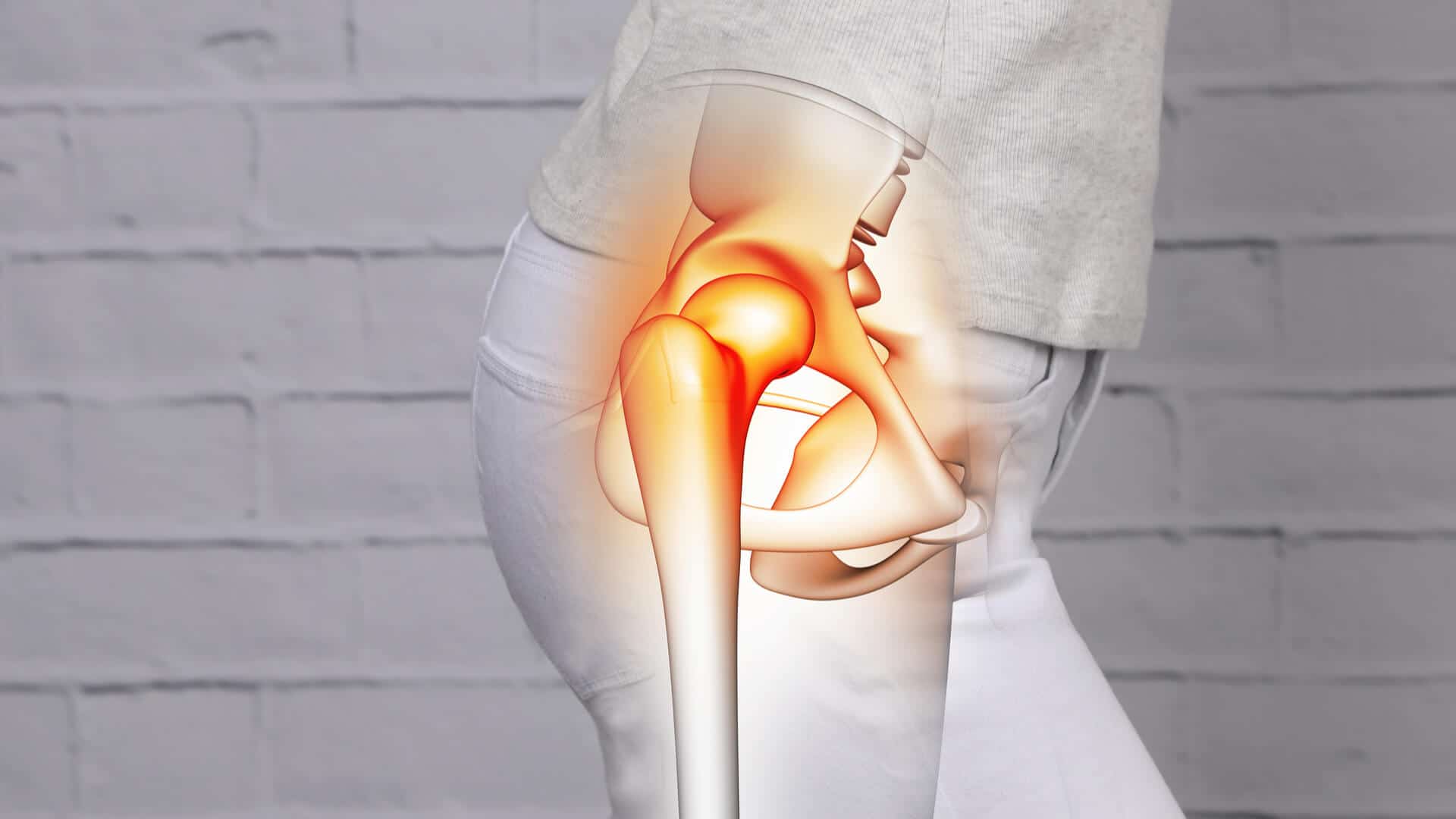
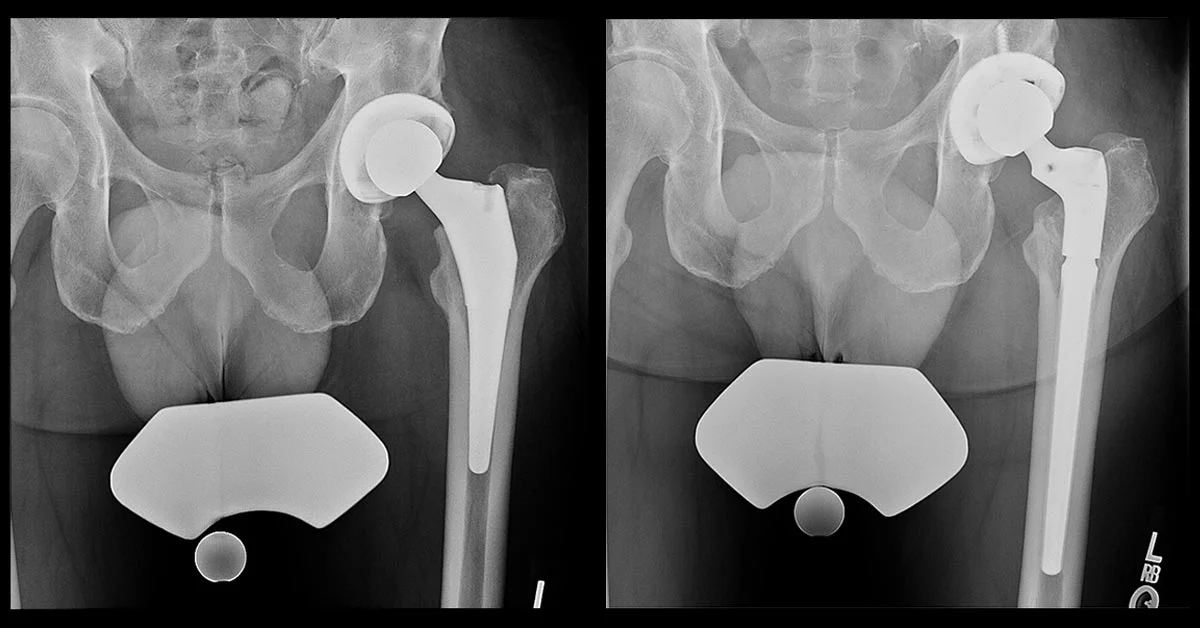
Comprehensive Diagnostic Evaluation for Revision Hip Surgery in Surat, Gujarat
Comprehensive evaluation is crucial before revision hip replacement surgery at Shivaan Hospital, Surat, Gujarat. Dr. Krunal Donda performs detailed clinical examination and advanced imaging including MRI, CT & X-Ray in Surat to determine the cause of failure and optimal revision strategy.
- ✓X-rays in Surat:Serial radiographs at Shivaan Hospital to assess implant position, loosening patterns, and bone loss.
- ✓CT scan in Surat:Detailed 3D bone structure assessment for precise pre-operative planning of complex revision hip surgery in Surat.
- ✓Infection workup:Blood tests, hip joint aspiration, and bacterial cultures to rule out or confirm infection before revision hip replacement in Surat.
- ✓Nuclear medicine scans:Advanced bone scans when infection is suspected in Surat, Gujarat patients.
Revision Hip Replacement Surgical Approaches at Shivaan Hospital, Surat, Gujarat
Revision hip surgery techniques employed by Dr. Krunal Donda in Surat vary based on the reason for failure, extent of bone loss, and patient factors. As the best revision hip replacement surgeon in Surat, Gujarat, Dr. Donda offers approaches ranging from simple component exchange to complex reconstruction requiring advanced bone grafting and custom implants, including minimally invasive hip surgery in Surat when appropriate.
Aseptic Revision Strategies — Surat
- ✓Isolated component revision hip replacement in Surat for single-component failure with adequate bone stock.
- ✓Complete revision hip surgery at Shivaan Hospital, Surat using advanced techniques and modern implants.
- ✓Advanced bone grafting for bone deficiency restoration in complex hip revision in Surat, Gujarat.
- ✓Specialized implants including long stems, trabecular metal augments, or custom components for challenging cases in Surat.
Septic Revision — Infection Management in Surat
- ✓Two-stage exchange protocol for infected revision hip replacement in Surat: implant removal, antibiotic spacer, then delayed reimplantation.
- ✓Single-stage exchange revision hip surgery in Surat for carefully selected cases at Shivaan Hospital.
- ✓DAIR protocol for early acute infections following hip replacement in Surat, Gujarat.
- ✓Salvage procedures for complex cases managed by Dr. Donda at Shivaan Hospital, Surat.
Expert Bone Loss Management in Revision Hip Surgery in Surat, Gujarat
Bone deficiency management is a major challenge in revision hip replacement surgery in Surat, Gujarat at Shivaan Hospital. Dr. Krunal Donda uses the Paprosky classification and other systems to determine the optimal reconstruction strategy for each patient requiring complex revision hip surgery in Surat.
- ✓Impaction bone grafting in Surat:Morselized bone graft impacted to restore bone stock and provide stable implant support in revision hip replacement surgery.
- ✓Structural allografts:Large bone segments used to bridge major defects in complex hip revision cases in Surat, Gujarat.
- ✓Metal augments in Surat:Porous tantalum or titanium components filling bone voids and providing stable fixation for revision hip surgery.
- ✓Custom 3D-printed implants:Patient-specific custom components for complex anatomy or massive bone loss in revision hip replacement at Shivaan Hospital, Surat.
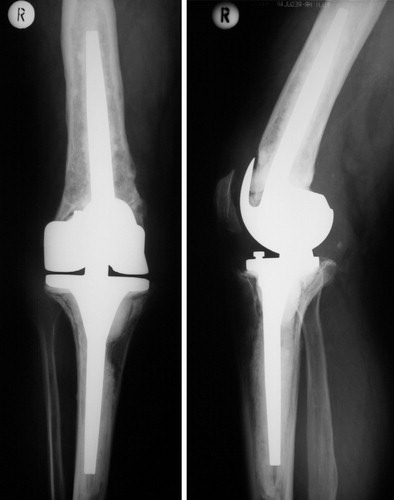
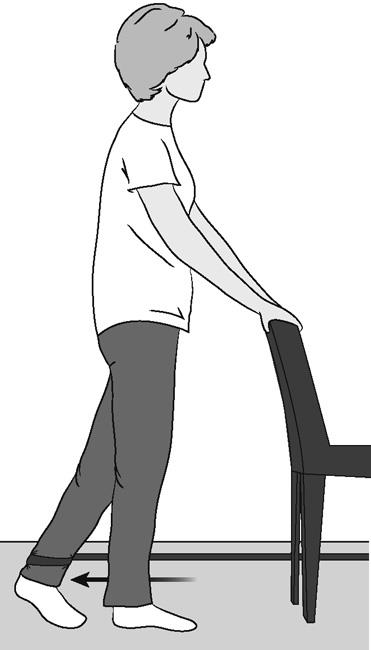
Recovery & Rehabilitation After Revision Hip Surgery at Shivaan Hospital, Surat, Gujarat
Revision hip replacement recovery in Surat at Shivaan Hospital typically takes longer than primary replacement. Dr. Krunal Donda provides individualized rehabilitation protocols based on bone quality, implant stability, and surgical approach used during revision hip surgery in Surat, Gujarat.
- 1Phase 1 (0–6 weeks) — Surat:Protected weight-bearing with walking aids, gentle range of motion exercises, wound care and monitoring at Shivaan Hospital.
- 2Phase 2 (6–12 weeks) — Surat:Progressive weight-bearing, strengthening exercises, and implant integration assessment following revision hip surgery in Surat.
- 3Phase 3 (3–6 months) — Surat:Advanced strengthening, functional activity training, and gradual return to daily activities after revision hip replacement in Surat.
- 4Phase 4 (6–12 months) — Surat:Continued improvement in strength and function under Dr. Donda's guidance at Shivaan Hospital, Surat, Gujarat.
Excellent Outcomes with Revision Hip Replacement in Surat, Gujarat
While revision hip replacement surgery in Surat, Gujarat is more complex than primary surgery, modern techniques used by Dr. Krunal Donda at Shivaan Hospital provide excellent outcomes for most patients. Success rates depend on the reason for revision, extent of bone loss, patient health, and compliance with rehabilitation.
Most patients undergoing revision hip replacement with Dr. Krunal Donda in Surat achieve significant pain relief and functional improvement. Potential complications are minimized through expert surgical technique. Regular follow-up at Shivaan Hospital, Surat, Gujarat monitors implant stability and bone integration. Call +91 98790 99184.

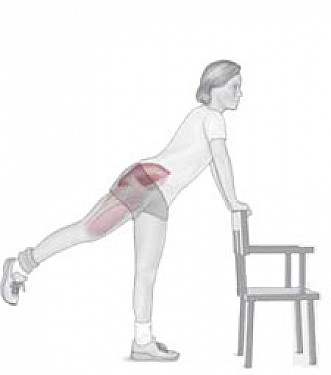
Maximising Implant Longevity After Revision Hip Replacement in Surat, Gujarat
While not all revisions are preventable, measures recommended by Dr. Krunal Donda can maximise implant longevity after revision hip replacement surgery at Shivaan Hospital Surat, Gujarat.
- ✓Maintain healthy weight in Surat:Weight management reduces joint stress and wear, extending the lifespan of revision hip replacement.
- ✓Stay appropriately active:Regular low-impact exercise maintains muscle strength without excessive implant stress after revision hip surgery in Surat.
- ✓Infection prevention in Surat:Antibiotic prophylaxis for dental procedures and prompt treatment of any infections to protect revision hip replacement.
- ✓Regular monitoring at Shivaan Hospital, Surat:Scheduled follow-up visits with Dr. Krunal Donda and periodic X-rays detect problems early.
- ✓Report symptoms promptly in Surat:Early evaluation of new pain or instability enables timely intervention to protect your revision hip replacement in Surat.
Frequently Asked Questions — Revision Hip Replacement in Surat, Gujarat
How long does revision hip replacement surgery take at Shivaan Hospital, Surat?
Revision hip replacement surgery with Dr. Krunal Donda at Shivaan Hospital, Surat typically takes 3–5 hours, significantly longer than primary replacement. Complex revision hip surgery cases in Surat involving extensive bone grafting or infection management may require additional time. Call +91 98790 99184.
What is the success rate of revision hip replacement with Dr. Krunal Donda in Surat?
Success rates for revision hip replacement surgery at Shivaan Hospital, Surat range from 80–95% at 10 years, depending on the reason for revision and surgical complexity. Dr. Krunal Donda's German fellowship training and expertise in complex hip revision in Surat, Gujarat contribute to excellent patient outcomes. Call +91 98790 99184.
How long is the hospital stay after revision hip surgery at Shivaan Hospital, Surat?
Hospital stay after revision hip replacement at Shivaan Hospital, Surat typically ranges from 4–7 days, longer than primary replacement. The length depends on surgical complexity, bone grafting, and the patient's recovery progress in Surat, Gujarat.
Can a hip replacement be revised multiple times in Surat?
Yes, hip replacements can undergo multiple revision hip surgeries in Surat, though each subsequent revision becomes more technically challenging. As a leading revision hip replacement surgeon in Surat, Dr. Krunal Donda has expertise in complex re-revision cases at Shivaan Hospital. Call +91 98790 99184 or visit G-12, 13, 17–20, Infinity Tower, Lal Darwaja Station Road, Surat 395003, Gujarat, India.
Who is the best revision hip replacement surgeon in Surat, Gujarat?
Dr. Krunal Donda at Shivaan Hospital is the best revision hip replacement surgeon in Surat, Gujarat, India. He is a German fellowship-trained M.S. Ortho specialist in complex hip revision, failed implant management, infection management, bone grafting, and revision arthroplasty. Shivaan Hospital is at G-12, 13, 17–20, Infinity Tower, Lal Darwaja Station Road, Surat 395003, Gujarat, India. Call +91 98790 99184.
Consult Dr. Krunal Donda — Best Revision Hip Replacement Surgeon in Surat, Gujarat
Contact on WhatsApp — +91 98790 99184Choose Shivaan Hospital Surat, Gujarat for Expert Revision Hip Replacement Surgery — When your primary hip replacement has failed, choosing the right revision hip replacement surgeon is crucial. Dr. Krunal Donda, with German fellowship training and extensive experience in complex hip revision surgery, offers world-class expertise right here in Surat, Gujarat, India. From accurate diagnosis through advanced surgical techniques to complete rehabilitation, Shivaan Hospital is the premier destination for revision hip replacement in Surat. Contact us today — G-12, 13, 17–20, Infinity Tower, Lal Darwaja Station Road, Surat 395003, Gujarat, India. Call +91 98790 99184.